
Run Smart This Summer: Cross-Country Training Tips for Youth Athletes
Build endurance. Prevent injuries. Run stronger.
Why Smart Summer Training Matters
Summer training sets the foundation for a safe and successful cross-country season. While some factors that cause young athletes to be at increased risk for injury can not be changed, such as female sex and history of prior injury, research shows that there are many factors that can be modified and will significantly reduce the risk of injury during the season.
1. Build a Strong Base – Gradually
- Increase weekly mileage slowly—no more than 10% per week for teens (and even less for younger runners)
- Vary long and short mileage days to help the body adapt without overloading and to help prevent overuse injuries
- Plan to train for 8 weeks or more before the XC season begins to safely improve endurance and load tolerance
2. Training Specific Injury Prevention

- Vary running surfaces – concrete vs grass vs asphalt vs trail vs track – with no greater than ⅓ of runs on hills or irregular, flat terrains (ie greenway trails)
- Emphasize smooth, easy running form: midfoot strike, upright posture, slight forward lean, and arm swing
- Add plyometric drills as runners advance to improve power and protect joints
- Don’t ignore discomfort—address any pain early to avoid long-term issues.
- Structured programs focused on hip and core strength have been shown to reduce common injuries such as:
- Patellofemoral (knee) pain
- Iliotibial band syndrome
- Shin splints
- Bone stress injuries
3. Strength Training, Cross-Training, Nutrition, & Recovery
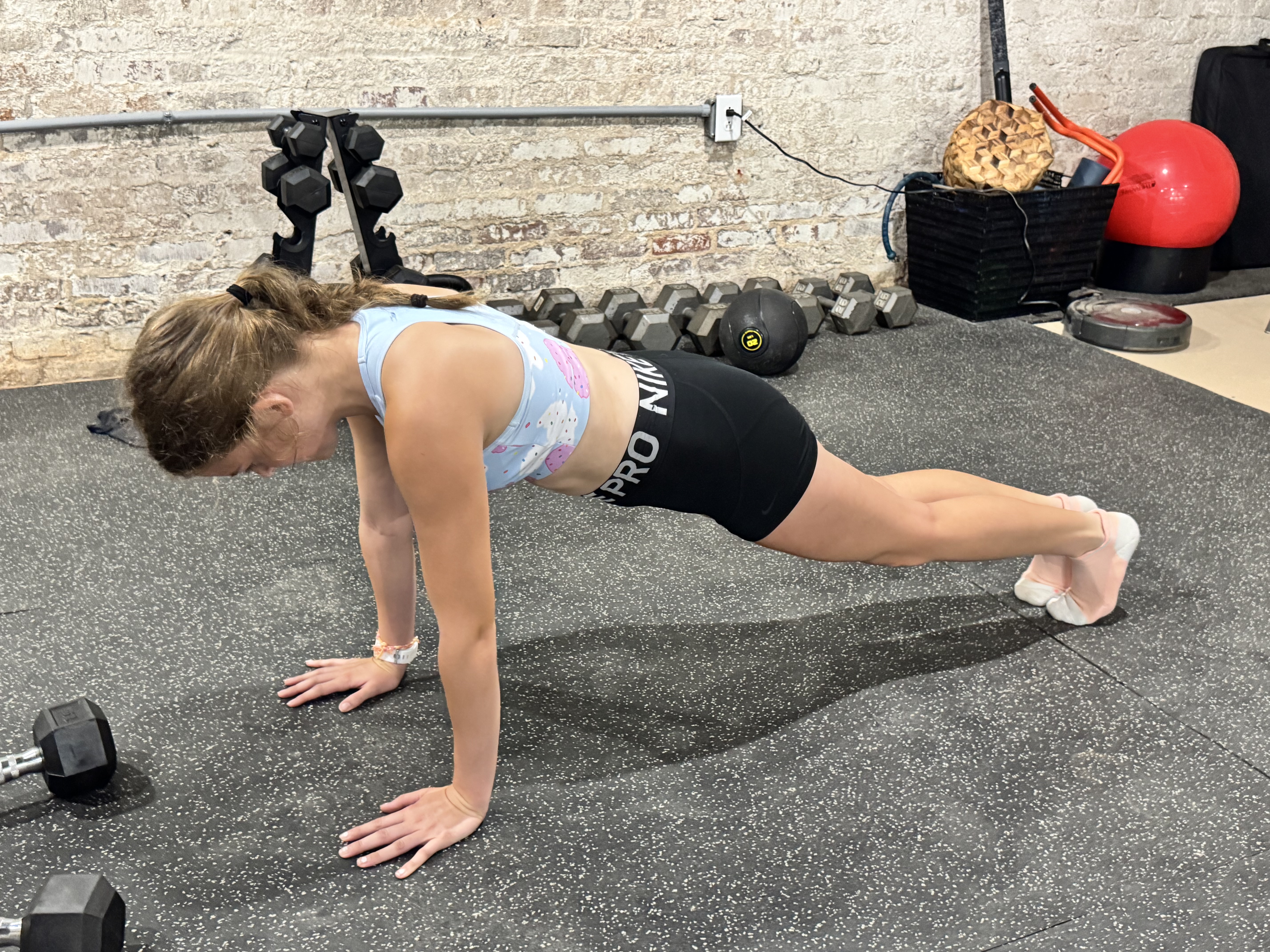
- Incorporate core, hip, and leg strengthening exercises weekly—especially single-leg movements and stability work
- Include low-impact (non-running) activities like swimming, biking, yoga, or other fun sports to build fitness/athleticism and reduce the risk of burnout and overuse injuries.
- Respect rest days—they are essential for muscle repair and long-term progress.
- Ensure adequate sleep (8–10 hours)
- Eat a diet filled with healthy proteins, fruits, and vegetables and rich in vitamins and minerals; Training requires increased caloric need – start with 45kcal/kg of bodyweight and adjust from there as needed
- Aim to maintain a BMI >19kg/m2 in females to avoid increased risk of bone stress injury
- Hydrate–Aim for ½ to 1 ounce per pound of body weight of water during the day
4. Consider Growth and Development
- Adolescents, especially during growth spurts, are more vulnerable to overuse injuries
- Growth plate injuries and bone stress injuries are more common during periods of rapid change
- Pay attention to red-flag symptoms like persistent shin or hip pain. Consult a healthcare provider if symptoms don’t resolve
Remember: Summer miles make fall smiles! With smart planning, strength training, cross-training, and proper recovery, young athletes can enter their fall cross country season stronger, faster, and injury-free.
At Peak Fitness & Physical Therapy, we support youth athletes through:
- Injury risk screenings to identify movement imbalances or weaknesses
- Custom strength and mobility programs to support safe running mechanics
- Running gait analysis to fine tune mechanics
- Evidence-based rehabilitation to address any pain or limitations before they become season-ending injuries
References
Krabak BJ, Roberts WO, Tenforde AS, et al. Youth running consensus statement: minimising risk of injury and illness in youth runners. British Journal of Sports Medicine 2021; 55:305-318.
Rauh MJ. Summer training factors and risk of musculoskeletal injury among high school cross-country runners. J Orthop Sports Phys Ther. 2014 Oct;44(10):793-804.